
Our Blog
Chester Energy and Policy started in 2017 as a blog before blossoming into a full consulting business. The goal of the blog originally was simple: answer interesting questions in the world of energy & sustainability that weren’t being answered elsewhere, tapping into energy data sets, expert interviews, and a unique lens.
Today, the blog section of Chester Energy and Policy seeks to continue that mission: answering interesting questions. If you have a question that you think is worth diving into for a blog post, reach out and let us know!
Search Blog Posts by Category
Energy-related newswires have in recent years seen many announcements for record renewable energy installations.
These come from government reporting…
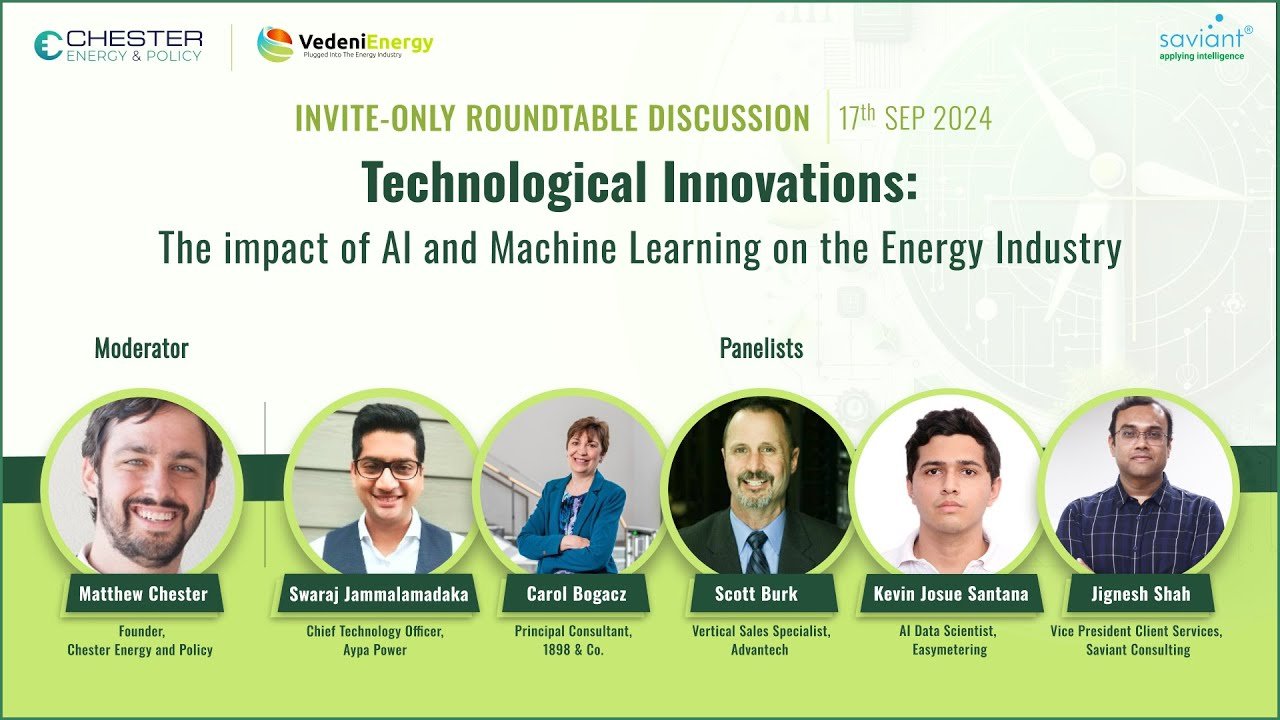
Our recent roundtable discussion, '𝐓𝐞𝐜𝐡𝐧𝐨𝐥𝐨𝐠𝐢𝐜𝐚𝐥 𝐈𝐧𝐧𝐨𝐯𝐚𝐭𝐢𝐨𝐧𝐬 - 𝐁𝐞𝐲𝐨𝐧𝐝 𝐭𝐡𝐞 𝐒𝐮𝐧: 𝐇𝐨𝐰 𝐀𝐧𝐚𝐥𝐲𝐭𝐢𝐜𝐬 𝐢𝐬 𝐑𝐞𝐯𝐨𝐥𝐮𝐭𝐢𝐨𝐧𝐢𝐳𝐢𝐧𝐠 𝐒𝐨𝐥𝐚𝐫 𝐎𝐩𝐞𝐫𝐚𝐭𝐢𝐨𝐧𝐬,' explored these pressing challenges and the role of advanced analytics, AI , and integrated communication platforms in achieving a balanced production-consumption system.

Matt Chester writes for EnergyDegrees.org, covering energy engineering, energy management, and related subjects. Matt’s professional experience includes time spent as a consultant on energy policy issues for companies contracted to the U.S. Department of Energy; providing unique market analysis and policy insights for clients in energy, sustainability, and cleantech; and offering data-backed energy insights as a part of his company, Chester Energy & Policy.
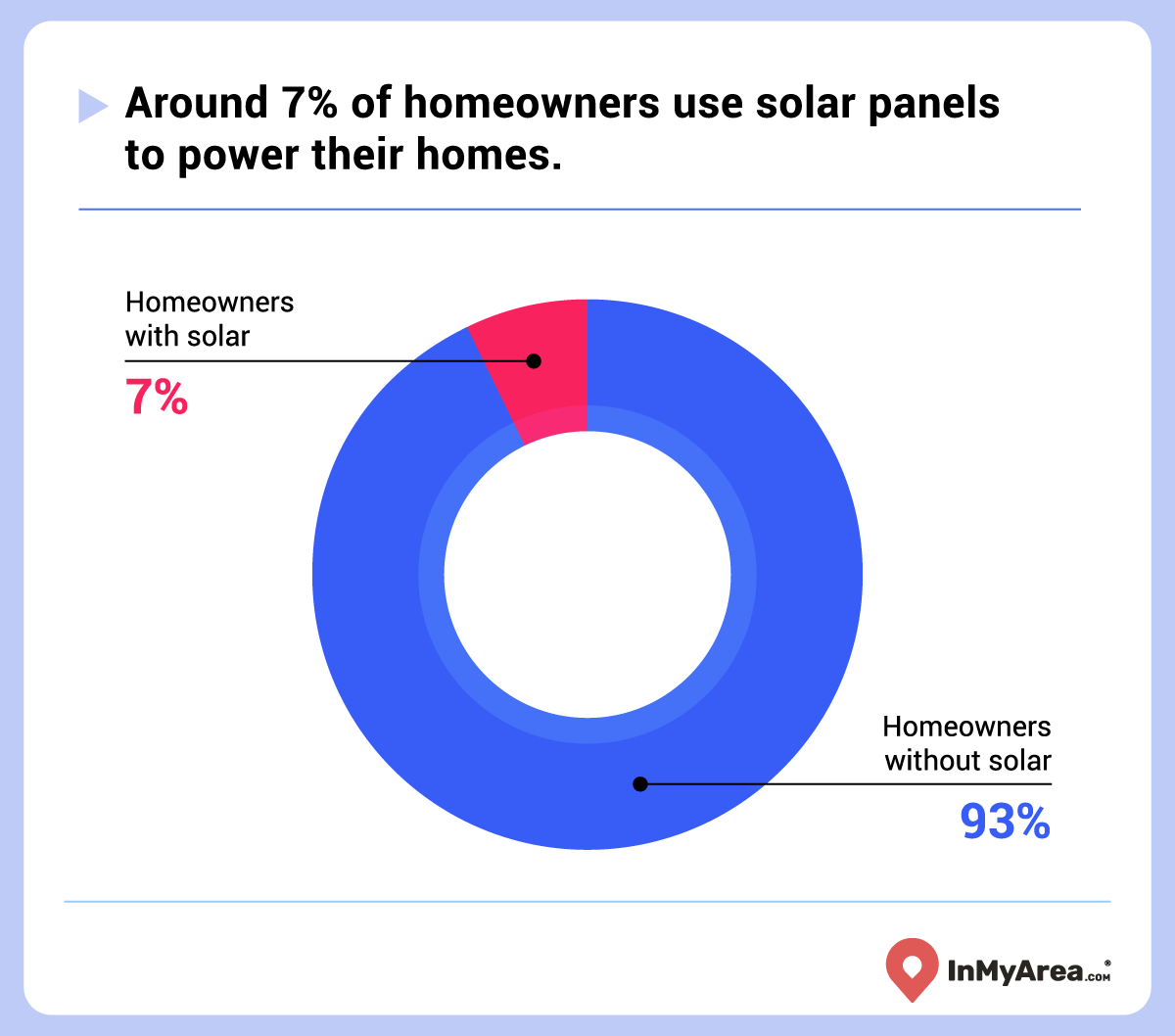
As many as 16.5 million American homeowners are open to installing solar panels in the next three years — but concerns around costs, maintenance, and reliability remain key barriers to adoption.


Study after study finds that the United States must double its electricity production by 2050 in order to meet the surging demand for electricity in transportation. The anticipated load is for surface vehicles, but the aviation industry has its eyes on electric flight.

Like the odd married couple that doesn’t make sense to outsiders but who have the perfect complementary marriage, the relationship between Oil and Gas (O&G) and renewable energy is one that makes more sense than you may think at first glance. As discussed in the first two articles of this three-part series, stakeholders in each of these industries may have previously seen the union of renewable energy assets into the operations of O&G companies as counterintuitive.

At the turn of the 21st century, solar energy technology existed but it was far off and still futuristic. In fact, it wasn’t until 2010 or so that solar panels started to pop up on the rooftops of homes and businesses more noticeably and in utility-scale solar farms, and then ultimately seeing exponential growth.
It’s a fallacy that ranks among the longstanding utility sector sins: “But we’ve always done it this way.”
Any business that continues with a practice simply because it’s familiar is already falling behind. This tendency leads to lazy thinking, uninspired problem-solving, and missed opportunities in the fast-changing modern energy landscape.
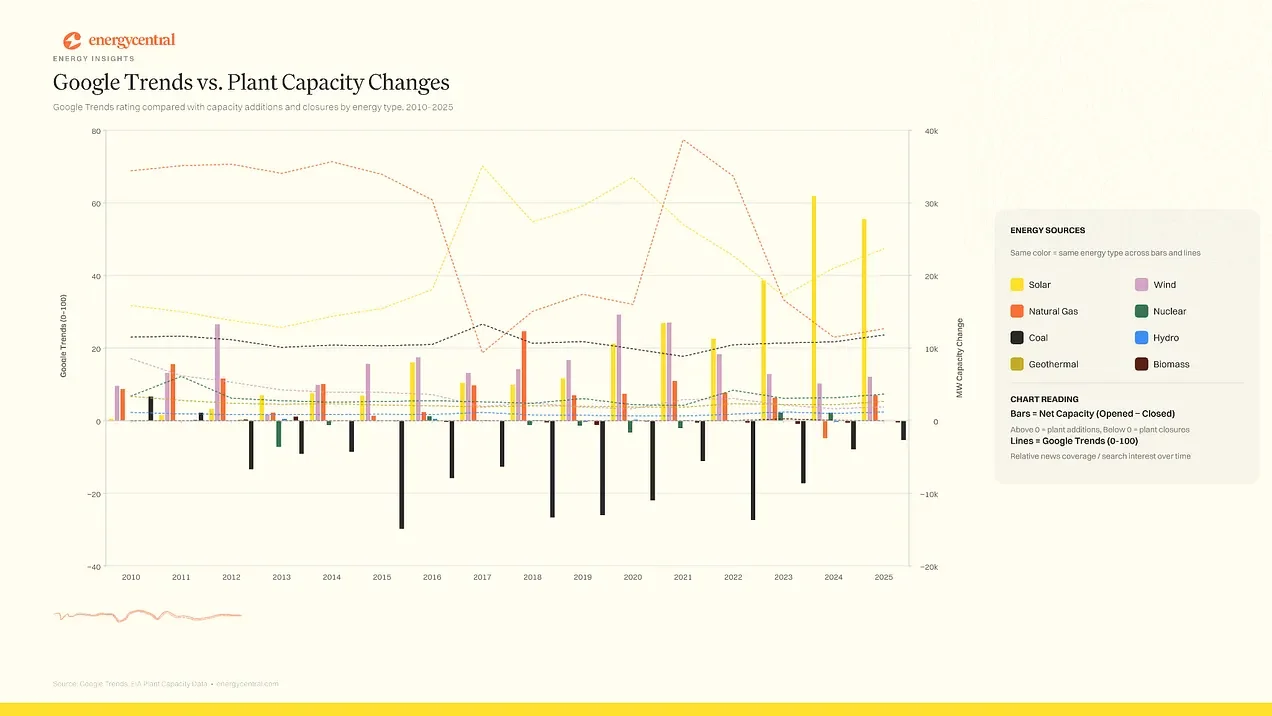
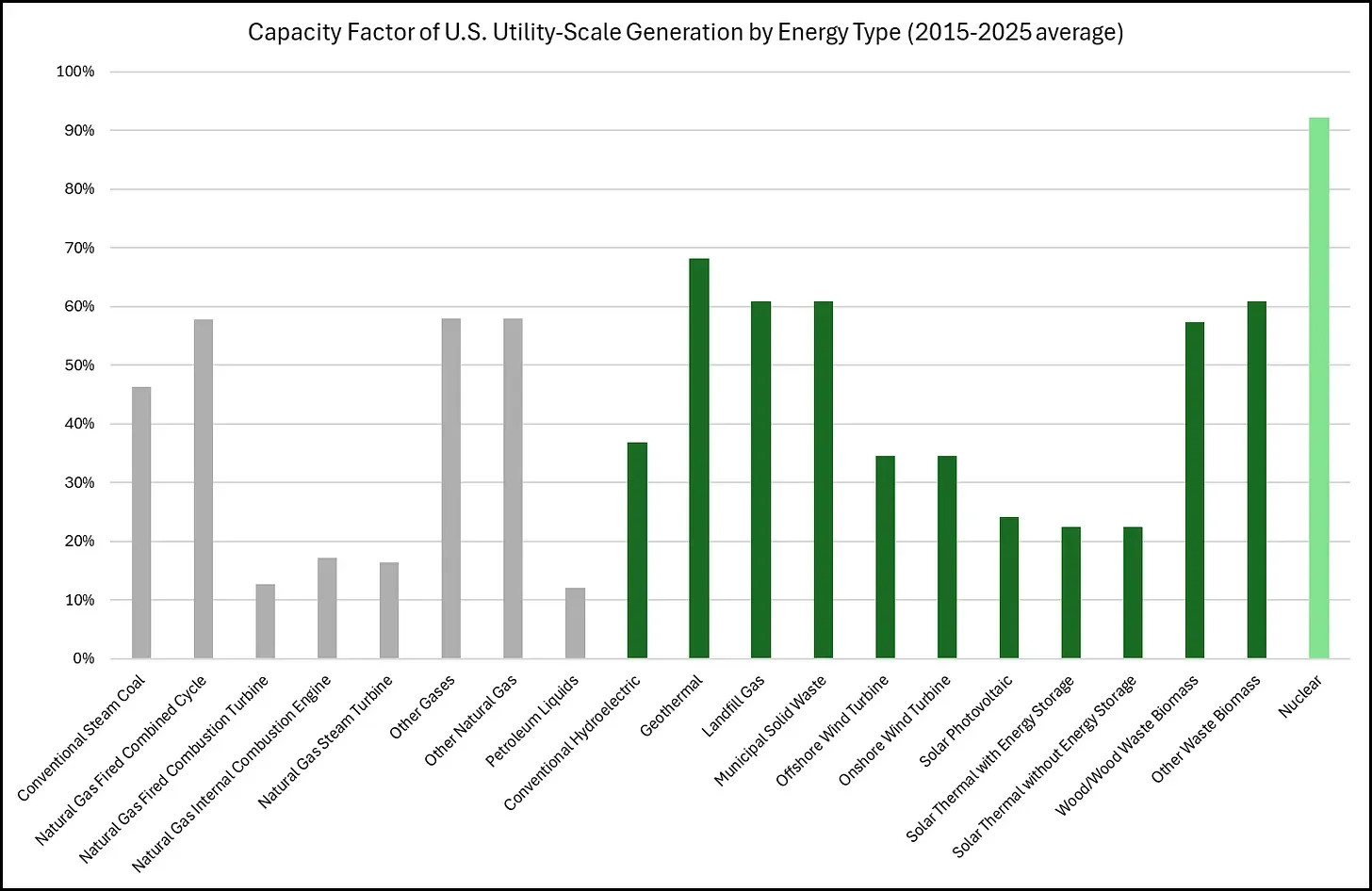
In popular media coverage, energy stories are often influenced as much by headline grabbiness as actual industry movement. The headlines yell at us:
Nuclear is back!
Geothermal is hot!
Coal is killing you!
But how much of these stories are actually rooted in true developments? Grid planners can’t keep the lights on based on what stories happen to be trending.
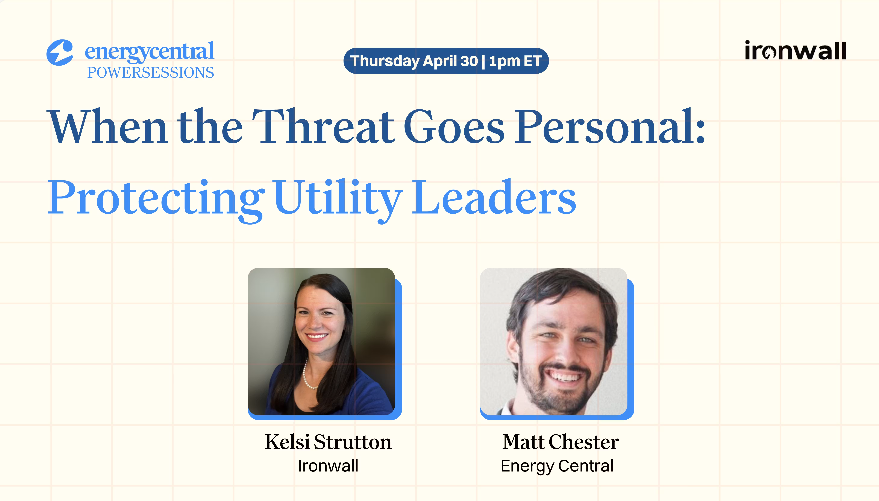
As cyber and physical threats converge, utility executives have become increasingly visible, which means they can be and have been increasingly targeted. From sophisticated phishing and mobile device compromise to doxxing, impersonation, and AI-driven social engineering, today’s risk landscape extends well beyond the enterprise perimeter and into the personal digital lives of utility leaders.
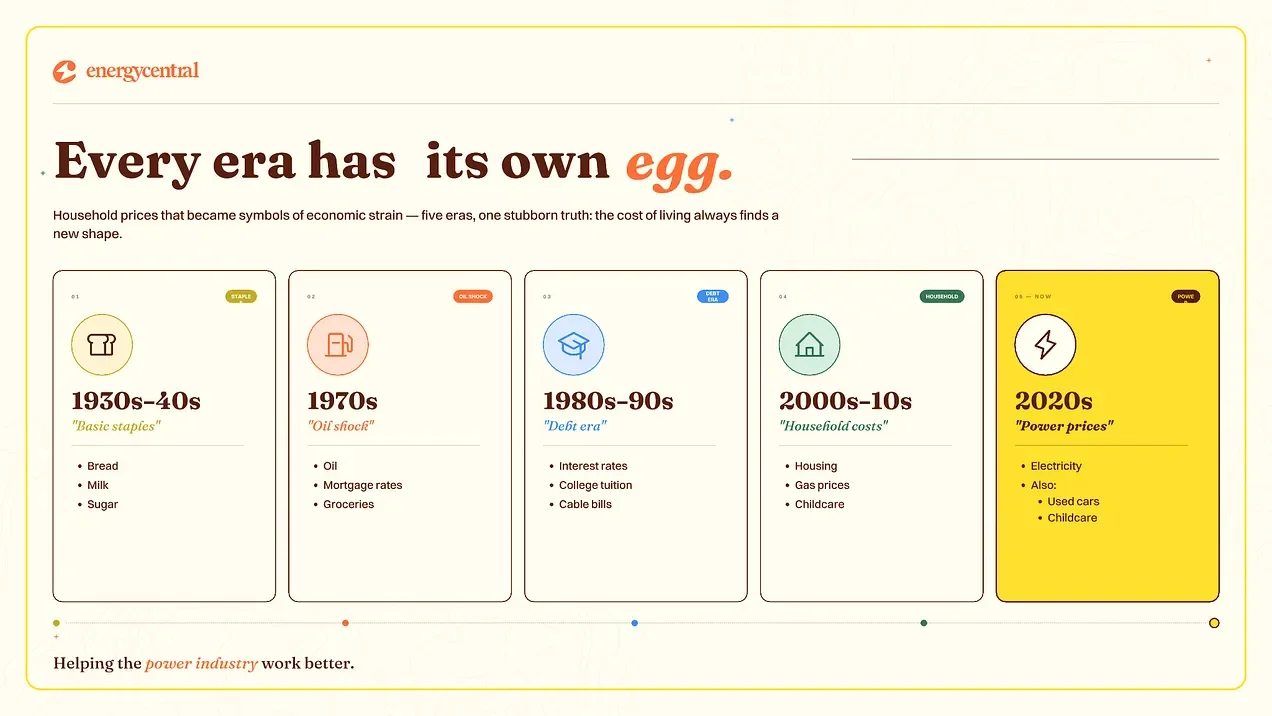
Every year, keeping your ear to the ground of power sector conversations illuminates a major overarching theme. In 2026, the focus is undoubtedly on affordability.
I’m certainly not breaking news here. This situation has been reaching a fever pitch, paired with an increasingly common refrain: energy prices are the new egg prices (as a marker of the state of the economy). But what exactly is meant by this comparison?

Silicon Valley tech has transformed nearly every facet of our lives, but one of the most impactful shifts it’s brought to bear? Disruption as a norm.
We now have a well-trodden path of manufacturing necessary disruption across industries: mix one part startup platform with one part stale industry, and there you have it—a new model for an old business. Uber for pet sitting? Rover. Notion for shipping logistics? Flexport. The list goes on.
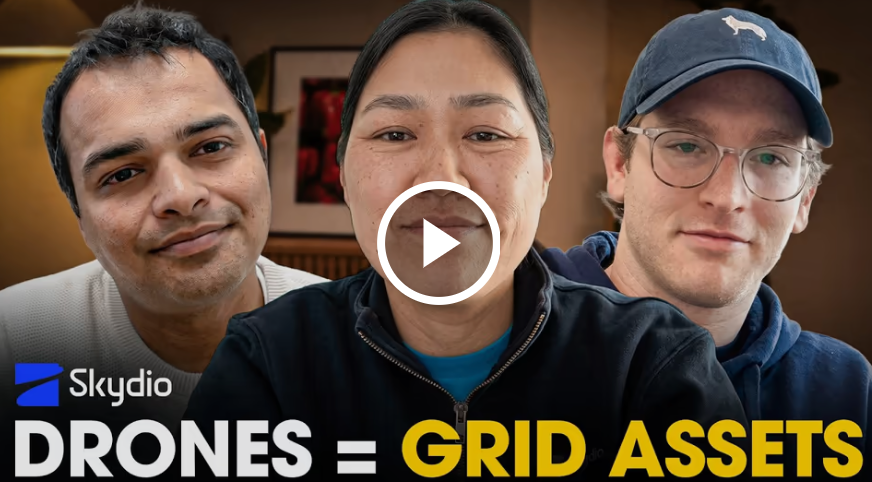
What does the pathway look like from shiny new toy to core operational tool? That’s the trajectory drones have seemingly taken in many utility operations, highlighting that the hype was real an the future is now.
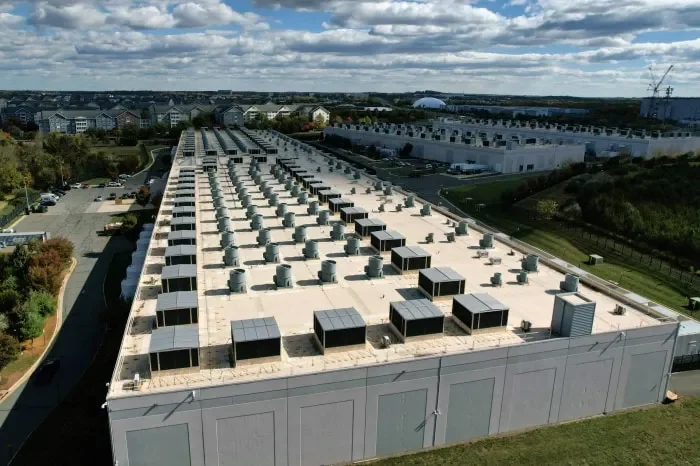
When people outside the energy sector think about the grid, it’s usually only after something goes wrong, such as a blackout or a surprise bill spike. Lately, the culprit for the public thinking about energy has come from a new source of consternation: data centers.
Reliability has become one of the most urgent topics in the utility sector today. As aging infrastructure meets rising electricity demand and more frequent extreme weather, utilities are facing growing pressure to keep the lights on while modernizing the grid. From vegetation management to conductor fatigue and storm resilience, the question isn’t whether upgrades are needed, but how utilities can make the smartest investments to strengthen the grid quickly, effectively, and affordably.
The utility industry is entering a construction boom unlike anything seen in decades. From electrification and load growth to wildfire mitigation and resilience investments, utilities across the country are racing to build and upgrade transmission and distribution infrastructure. But scaling up construction isn’t just about building faster, it’s also about rethinking the entire construction lifecycle, from planning and design to data capture and project closeout.
When we look to the future of the electric utility industry, what do we see?
Better data. More efficiencies. Smarter grids. Simpler asset management. At least—that’s what we’re all hoping for.
To make it happen? It’s all about location, location, location. And that’s where GIS comes in: Moving into the future of power, GIS will be instrumental in challenging the status quo, improving utilities’ understanding of where things are (from outages to assets to customers), leveling up what regulatory compliance really means, and breaking down siloes across the power org.

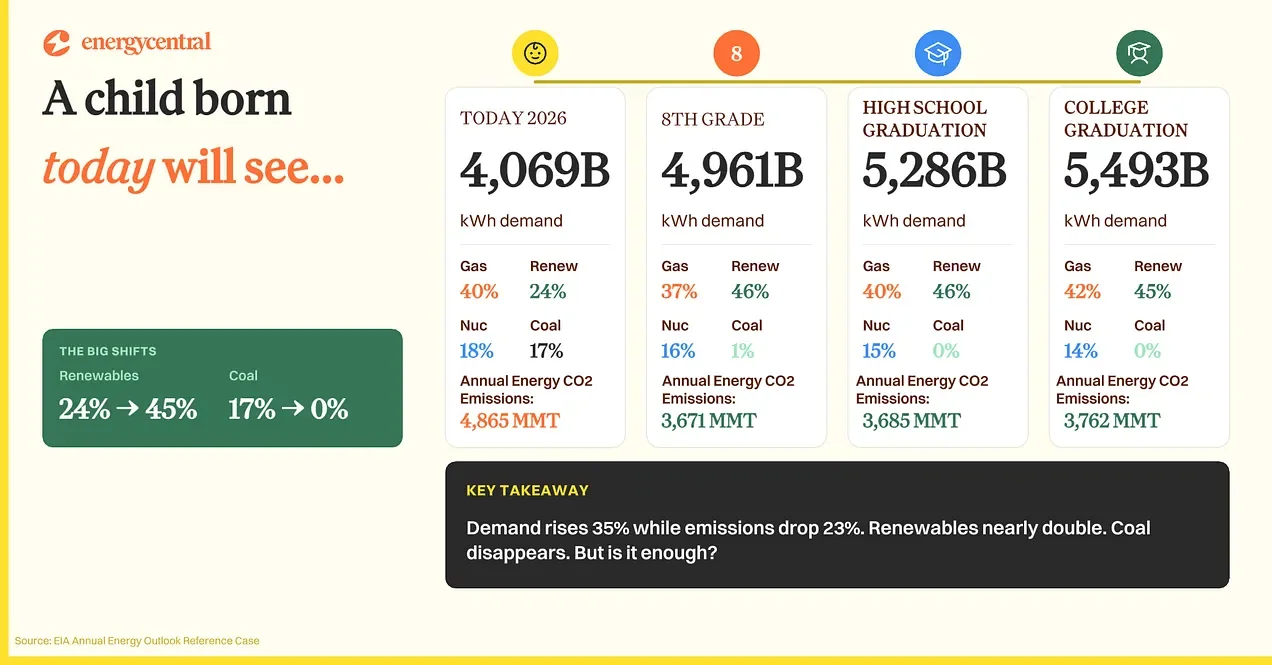
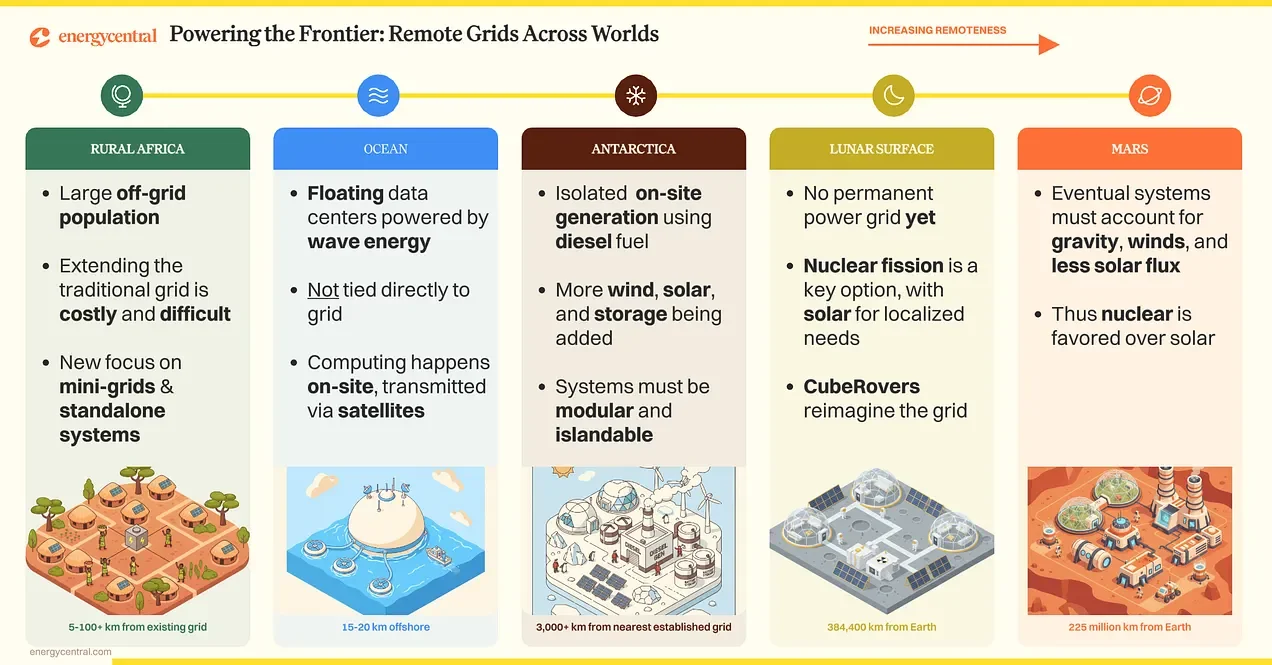
As others in the energy space know, 2050 has long served as a ‘far-off’ yet crucial frontier. For decades, it has seemed like every goal was tied to mid-century: phasing out fossil fuels, solving climate change, and even building a lunar grid.
It’s the mythical future date that’s been circled on the calendar ever since I studied energy systems and entered the workforce in 2011. Back then, the big questions looked different: We were planning for (now commonplace) smart grid tech, while large-load discussions centered on EVs (rather than the data centers that dominate industry headlines today).

A new Pew survey suggests the public is drawing some sharp conclusions about why electricity bills are rising, and not all of them are flattering to utilities. But does public perception match reality, and how much does it actually matter when trust is broken either way?
It’s a fallacy that ranks among the longstanding utility sector sins: “But we’ve always done it this way.”
Any business that continues with a practice simply because it’s familiar is already falling behind. This tendency leads to lazy thinking, uninspired problem-solving, and missed opportunities in the fast-changing modern energy landscape.
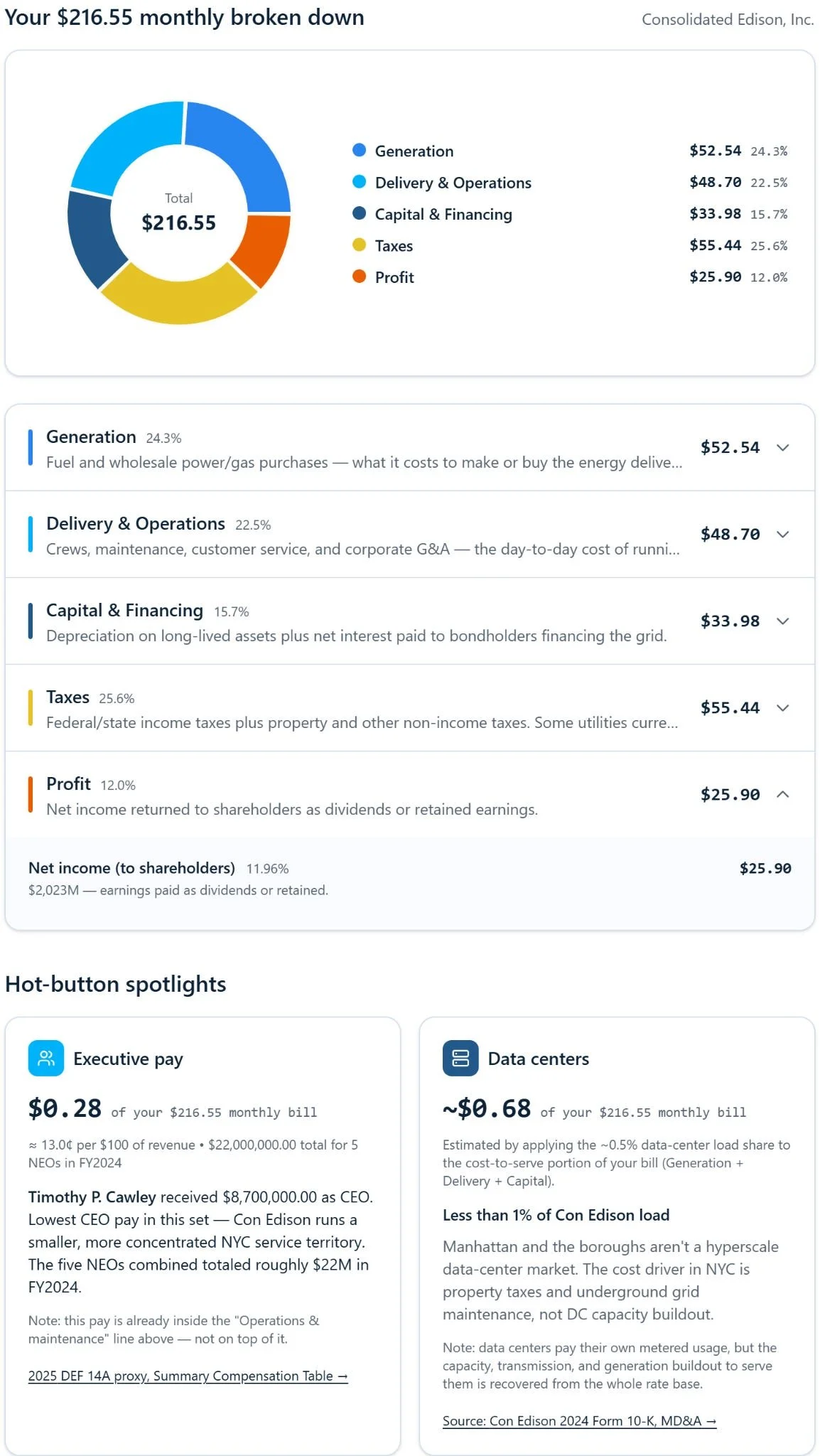
Let’s face it—no one has ever liked paying their power bill. That said, for decades it felt like a relatively stable and, dare I say, fair expense. Recently, though, we’ve seen utility rates increase and rank among the top economic concerns for the average American.
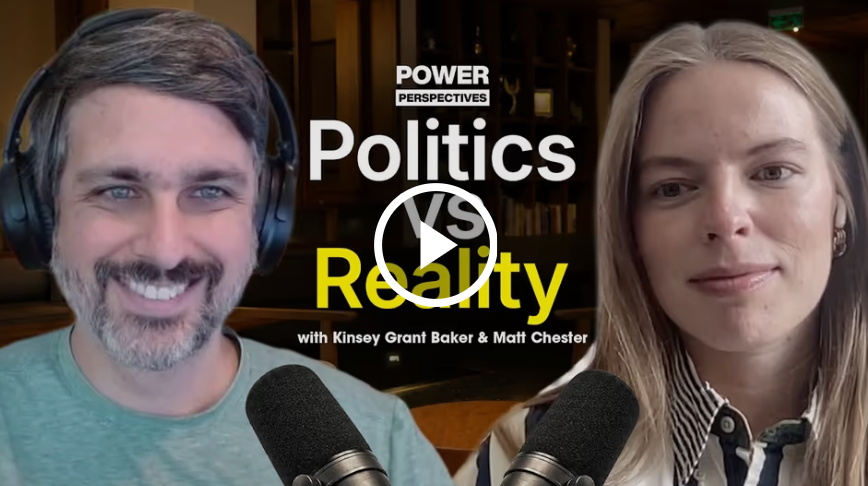
Energy has become one of the most politically charged topics in the country, but is the red-vs-blue framing actually helping us understand what is happening in the power sector? Or is it a shorthand that creates assumptions that don’t hold up to scrutiny?
As cyber and physical threats converge, utility executives have become increasingly visible, which means they can be and have been increasingly targeted. From sophisticated phishing and mobile device compromise to doxxing, impersonation, and AI-driven social engineering, today’s risk landscape extends well beyond the enterprise perimeter and into the personal digital lives of utility leaders.
Every year, keeping your ear to the ground of power sector conversations illuminates a major overarching theme. In 2026, the focus is undoubtedly on affordability.
I’m certainly not breaking news here. This situation has been reaching a fever pitch, paired with an increasingly common refrain: energy prices are the new egg prices (as a marker of the state of the economy). But what exactly is meant by this comparison?
The tumult produced by President Trump’s global tariffs has added a new urgency to the United States Energy Association’s next virtual press briefing.
There is also the question of electricity imports which are so important to New England and other states along the northern border.
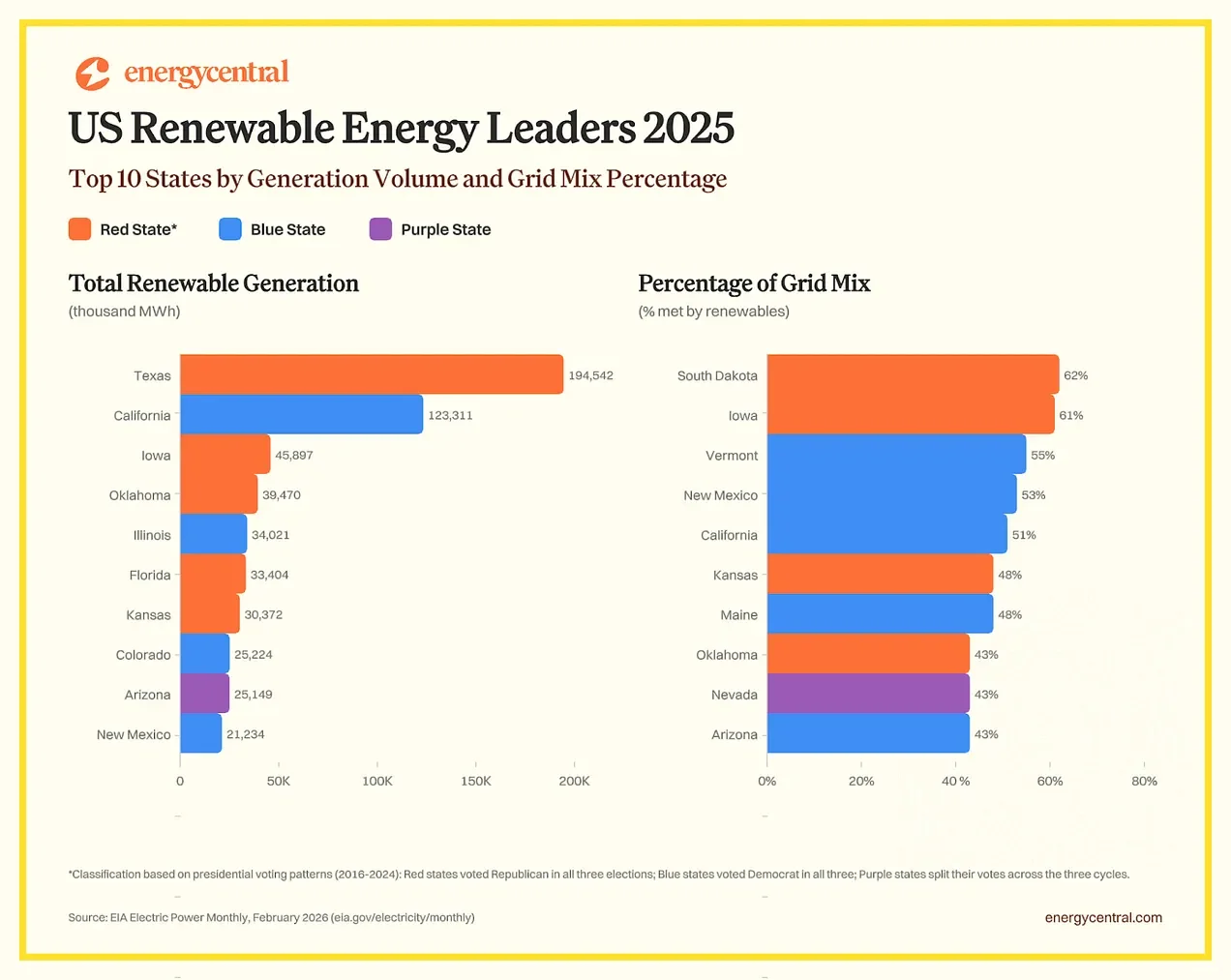
Recently, power industry decision-making has gotten pulled into the ever-growing vortex of politicization. But in an increasingly divided country, it’s not exactly surprising.
Renewables vs. fossil fuels. An energy transition vs. American Energy Dominance. Beautiful Clean Coal vs. Climate Emergency.
Silicon Valley tech has transformed nearly every facet of our lives, but one of the most impactful shifts it’s brought to bear? Disruption as a norm.
We now have a well-trodden path of manufacturing necessary disruption across industries: mix one part startup platform with one part stale industry, and there you have it—a new model for an old business. Uber for pet sitting? Rover. Notion for shipping logistics? Flexport. The list goes on.


As a sector, transportation accounts for 29% of all U.S. greenhouse gas emissions.
An individual switching a single trip per day from car to biking can reduce their carbon footprint by half a metric ton per year.


Hundreds of cities across the globe have welcomed shared electric micromobility, including e-scooters and e-bikes, as an effective tool to close the last-mile gap and serve short urban trips. Research demonstrates that micromobility is a good option for up to 60% of urban journeys.

When electric vehicles, or EVs, first popped into the public consciousness, they were an exciting oddity. A Tesla may have been spotted here or there along a road trip, and the idea of seeing an EV charger in a parking lot felt like a novelty, but with their high price tags, they seemed unattainable and more of a plaything of the wealthy than a vehicle the typical American could consider. In decade and a half since the first road-ready EVs rolled off of the production line, though, that landscape has evolved drastically

The push to move away from oil as the sole transportation fuel has largely seen a shift towards electric vehicles, but for many applications (e.g., shipping, aviation, and others) electricity is a non-ideal or even impractical solution. In the effort to find alternative ways to decarbonize these transportation needs, hydrogen fuel has emerged as a potential game changing energy source.


Since electric vehicles (EVs) were first introduced to the market, one of the most significant hurdles to their adoption has been the high upfront cost. Even accounting for government support via rebates, subsidies, and tax breaks that are intended to bring those costs down, many models of EVs remain simply out of reach of many households.

Not long ago, executives at utilities and within the energy industry looked at the potential electric vehicle (EV) future with wide eyes. But these wide eyes were not of excitement and anticipation, they were the wide eyes of fear. From the perspective of these energy leaders, this perspective isn’t tough to understand. After all, studies have found that vehicle electrification will lead to the largest opportunity to increase energy demand since the introduction of air conditioning into buildings in the 1950s. Depending on the rate of EV purchases, though, this energy load growth could actually end up being larger and even more consequential in terms of how much energy will need to be generated and transported on a macro scale.

For nearly as long as solar panels have been gracing rooftops and barren land, creative people have been searching out additional surfaces that can be tiled with energy-generating photovoltaic (PV) panels. The idea has been pretty straightforward: if solar panels generate energy simply by facing the sun, then humans could collectively reduce our reliance on coal, oil, gas and other polluting fuels by maximizing our aggregate solar surface area.
Energy has become one of the most politically charged topics in the country, but is the red-vs-blue framing actually helping us understand what is happening in the power sector? Or is it a shorthand that creates assumptions that don’t hold up to scrutiny?
What does the pathway look like from shiny new toy to core operational tool? That’s the trajectory drones have seemingly taken in many utility operations, highlighting that the hype was real an the future is now.
When people outside the energy sector think about the grid, it’s usually only after something goes wrong, such as a blackout or a surprise bill spike. Lately, the culprit for the public thinking about energy has come from a new source of consternation: data centers.
The utility industry is entering a construction boom unlike anything seen in decades. From electrification and load growth to wildfire mitigation and resilience investments, utilities across the country are racing to build and upgrade transmission and distribution infrastructure. But scaling up construction isn’t just about building faster, it’s also about rethinking the entire construction lifecycle, from planning and design to data capture and project closeout.
Lee Zeldin, new Administrator of the Environmental Protection Agency, has said, “It’s important for us urgently to do everything in our power to make sure Americans have the cleanest air, land, and water. That’s something that keeps me up at night."
The United States Energy Association will examine new, transformative technologies which are entering the electric utility space at its next virtual press briefing, set for Wednesday, May 7, at 11 a.m. EDT. The format for these briefings is well-established: A panel of experts is interviewed by a panel of senior reporters who cover energy. Ideally, reporters get information for a story they can write that day or bank for future stories.
![Keeping Workers Safe, Optimizing Maintenance, and Moving to the Future with Drones with Corey Hitchcock and Christina Park of Skydio [Power Perspectives Conversations at Distributech 2024]](https://images.squarespace-cdn.com/content/v1/613a22adfefec3776e953e90/1714155120041-K3NH9PVZ3QXIH2SWTIG2/Screenshot+2024-04-26+140947.png)
In recent years, drones have emerged as symbols of innovation across a diverse set of sectors. However, the initial encounters with drones at industry conferences were characterized by curiosity and speculation about their future implications. Frequently, skeptics tended to perceive more challenges than opportunities, labeling drones as a solution in search of a problem. However, discussions with Skydio's Corey Hitchcock (Utility Solutions Specialist) and Christina Park (Senior Director of Energy Strategy) at Distributech 2024 revealed a shifting perspective on drones, especially when it comes to the power sector.


As climate change and clean energy have climbed their way up higher on the priority list of the average American, with over 80% of voters in 2020 citing climate change as at least ‘somewhat important,’ the media has increasingly satiated the appetite for related news.

The U.S. Department of Energy (DOE) was formed in 1977, combining the Federal Energy Administration, the Energy Research and Development Administration, and the Federal Power Commission.
In popular media coverage, energy stories are often influenced as much by headline grabbiness as actual industry movement. The headlines yell at us:
Nuclear is back!
Geothermal is hot!
Coal is killing you!
But how much of these stories are actually rooted in true developments? Grid planners can’t keep the lights on based on what stories happen to be trending.